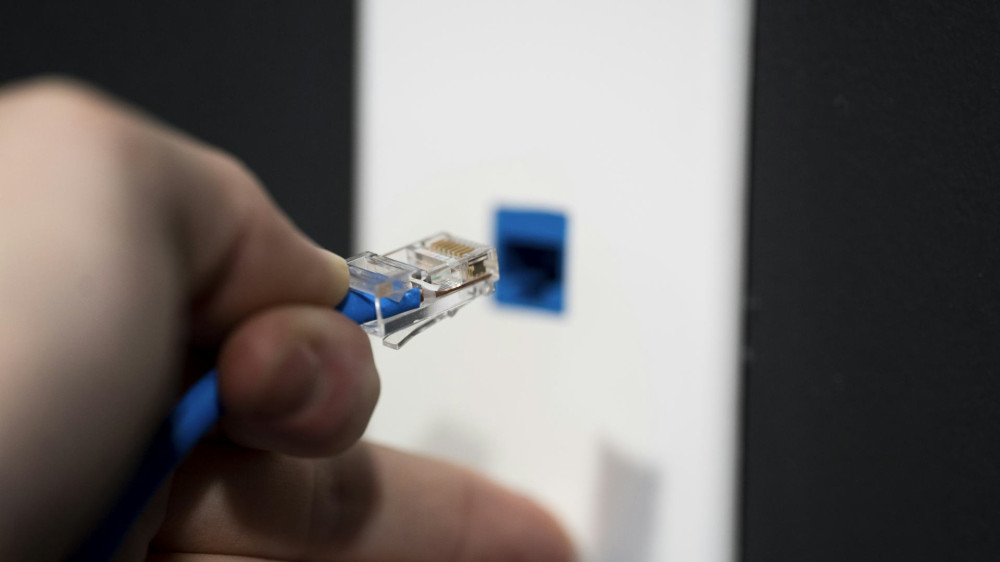
The Future of Broadband: Ready for Smart Homes and Growing Demands

The Future of Broadband: Ready for Smart Homes and Growing Demands
As our daily lives become increasingly digital, the demand for faster, more reliable internet continues to grow. Streaming, remote work, online gaming, and smart home devices all rely on strong connectivity. The future of broadband in the United States isn’t just about speed—it’s about building an infrastructure that can support a new level of connected living.
A Home Full of Connections
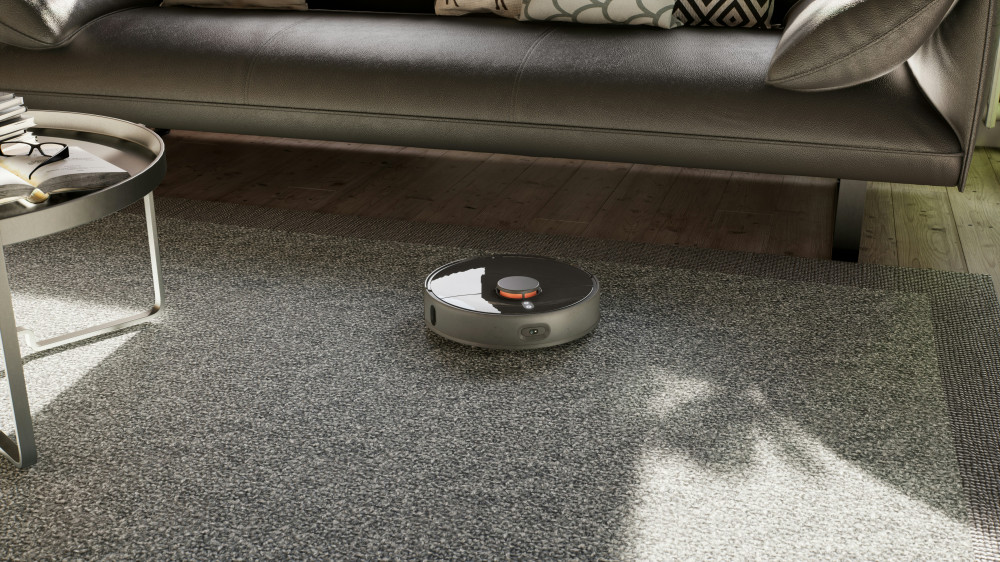
Not long ago, most households had a single computer connected to the internet. Today, it’s common to have dozens of devices online at once—smart TVs, security cameras, thermostats, voice assistants, and even kitchen appliances. Each of these devices requires a stable and responsive connection.
This shift means broadband networks must handle multiple simultaneous connections without slowing down. Technologies like fiber-optic internet and Wi-Fi 6 (and soon Wi-Fi 7) are key to meeting these demands. They deliver higher speeds, lower latency, and better coverage, ensuring that every corner of the home—from the basement to the backyard—stays connected.
Fiber: The Backbone of Tomorrow’s Internet
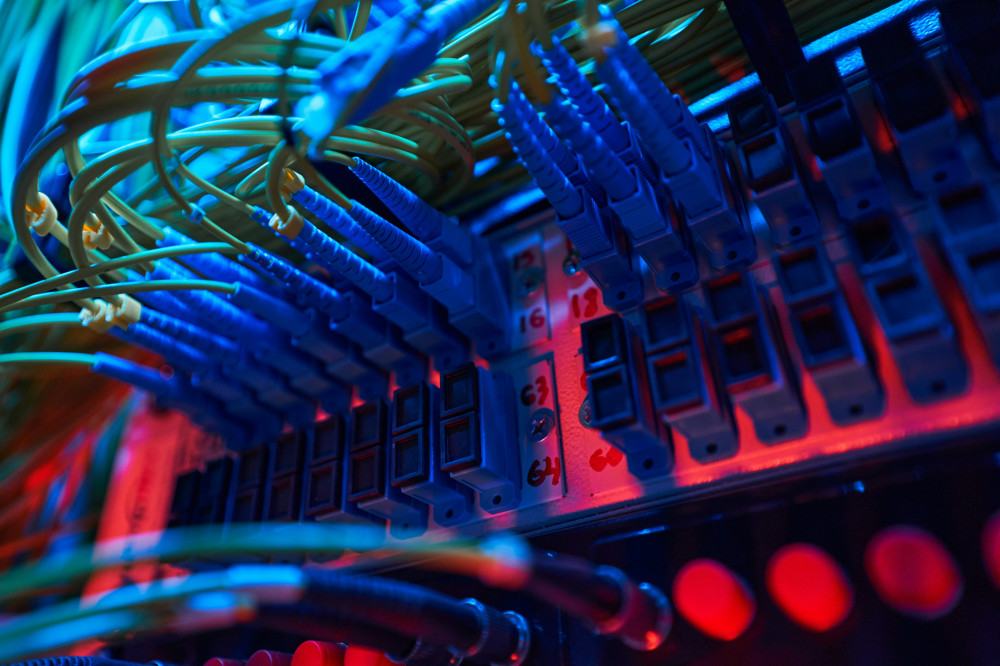
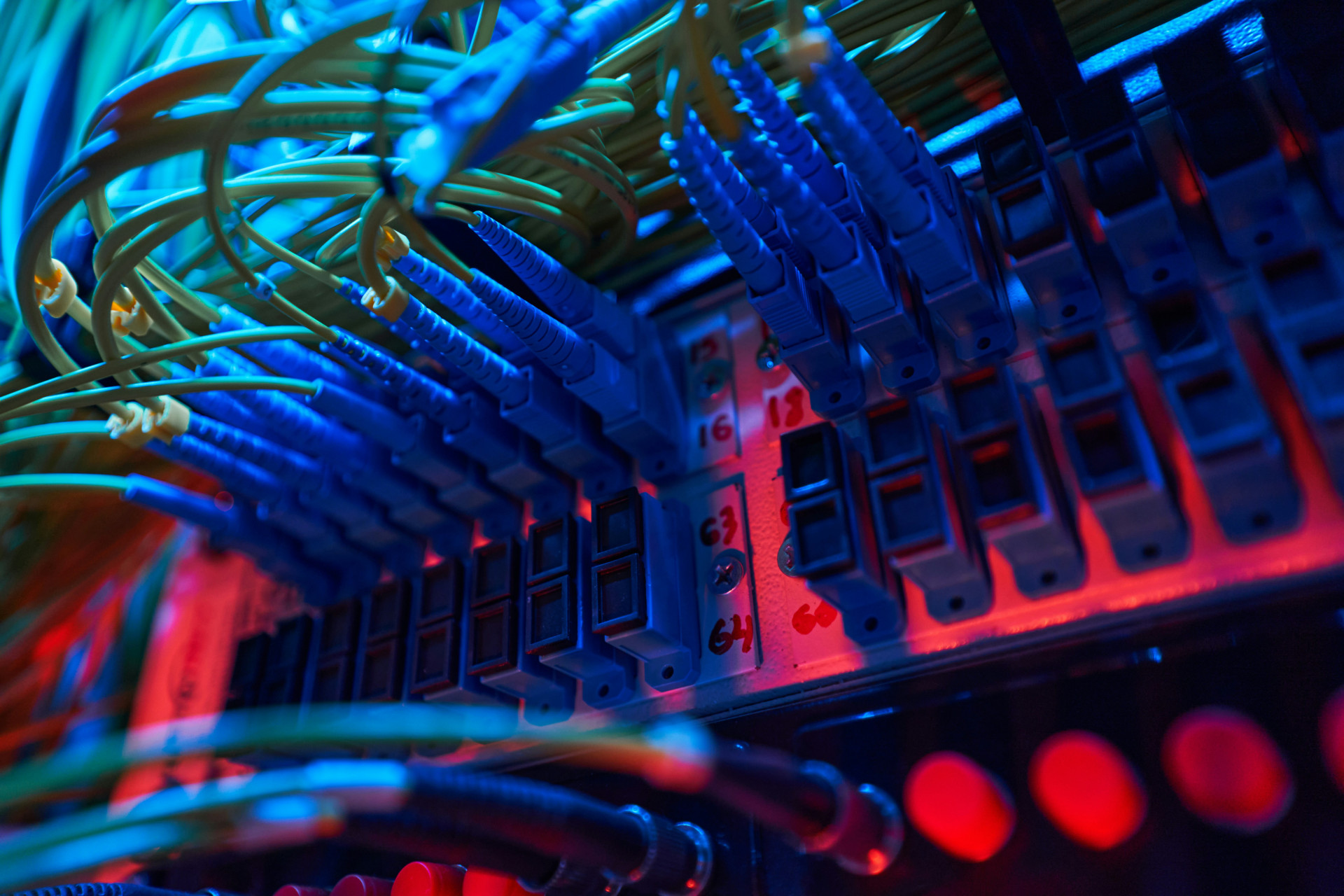
Fiber-optic broadband is the most future-proof solution available today. Unlike traditional copper lines, fiber delivers consistent high speeds regardless of distance. This makes it ideal for both urban and rural communities, helping to close the digital divide that still exists across parts of the U.S.
With fiber, households can stream 4K or 8K video, join video conferences without lag, and support multiple users and devices simultaneously. Many providers already offer gigabit speeds, and the infrastructure can easily scale to meet future needs as data consumption continues to rise.
Læs også:

Smart Homes Need Smart Networks
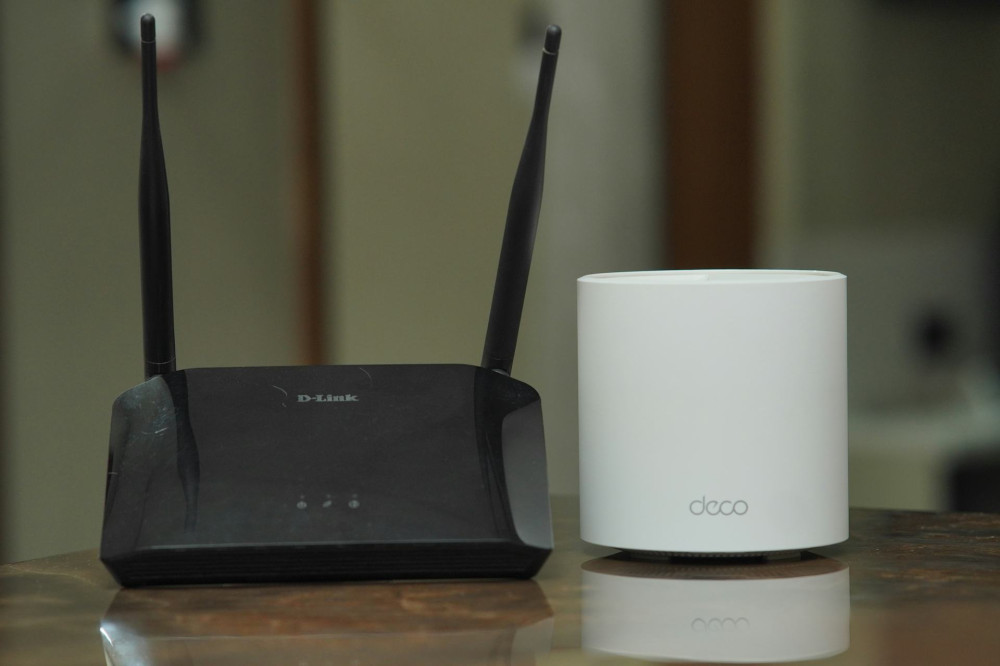
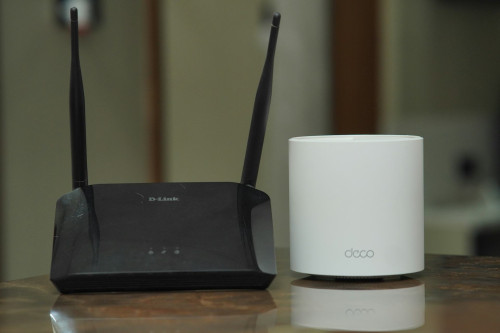
A smart home is only as good as the network that powers it. That’s why intelligent routers and mesh Wi-Fi systems are becoming essential. These systems automatically distribute the signal to ensure strong coverage throughout the home, eliminating dead zones and weak spots.
Security is also a growing concern. With everything from door locks to baby monitors connected online, protecting the network from cyber threats is critical. Modern routers now include built-in security features, automatic updates, and the ability to create guest networks—keeping personal devices safe while still allowing visitors to connect.
5G and Hybrid Solutions: Flexibility for Modern Living
While fiber remains the gold standard for home broadband, 5G is playing an increasingly important role. The latest mobile networks offer high speeds and low latency, making them a strong backup or even a primary option in areas where fiber isn’t yet available.
Some providers are introducing hybrid broadband solutions, combining fixed and mobile connections for added reliability. If one network experiences an outage, the other can take over seamlessly—ensuring uninterrupted connectivity for work, entertainment, and smart home systems.
Sustainable Connectivity for a Greener Future
The future of broadband isn’t just about performance—it’s also about sustainability. Fiber networks are more energy-efficient than older copper systems, and many U.S. providers are investing in greener data centers and network equipment. Reliable high-speed internet also supports eco-friendly lifestyles by enabling remote work, reducing commuting, and supporting smart energy management in homes.
Ready for the Next Generation of Digital Life
Whether you live in a city apartment, a suburban home, or a rural community, a strong internet connection is becoming as essential as electricity or water. The broadband of the future will not only deliver faster downloads but also serve as the foundation for our digital lives.
With fiber, 5G, and intelligent networking technologies, the United States is moving toward a future where smart homes, remote work, and digital entertainment can thrive without limits. It’s no longer just about being online—it’s about being ready for everything that comes next.
Læs også: