When Your Home Gets Smart: How Your Devices Work Together

When Your Home Gets Smart: How Your Devices Work Together
From the coffee maker that starts brewing when your alarm goes off to the lights that dim automatically when you start a movie—smart homes are no longer science fiction. Today, many of our household devices can communicate with each other and adapt to our routines. But how does this actually work? And how can you make sure your devices cooperate so that technology makes life easier, not more complicated?
What Is a “Smart Home”?
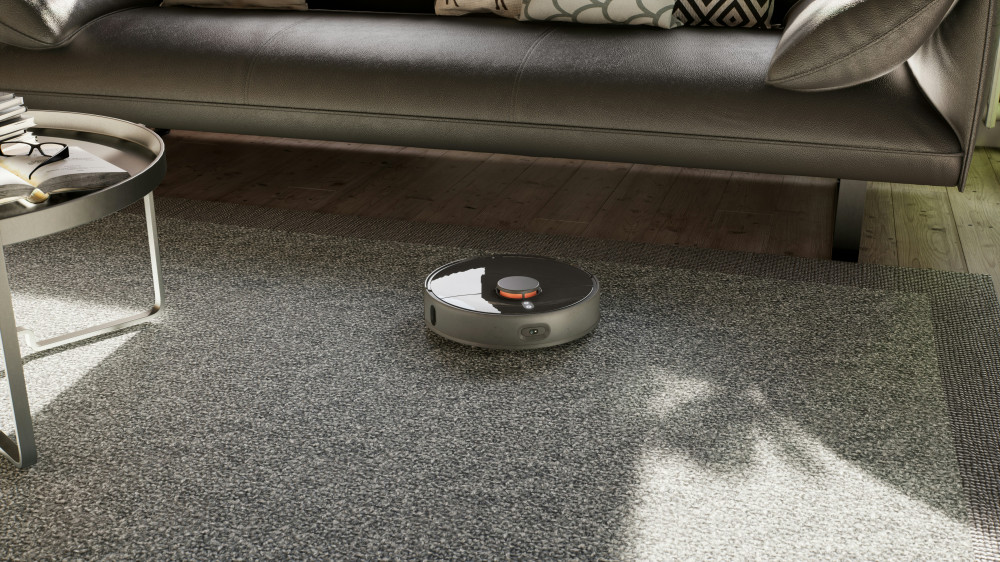
A smart home is one where appliances and systems are connected through the internet and can be controlled from a central hub—often through an app or voice assistant. This can include everything from thermostats and lights to robot vacuums and refrigerators. What they all have in common is the ability to share information and respond to your preferences.
The goal isn’t just convenience—it’s also efficiency and energy savings. When your thermostat automatically lowers the temperature after you leave for work, or your lights turn off in empty rooms, you save both electricity and money.
How Devices Communicate
Most smart devices use wireless technologies such as Wi-Fi, Bluetooth, Zigbee, or Thread to communicate. To make them work together, they usually need to connect to a shared platform—like Google Home, Apple Home, Amazon Alexa, or Samsung SmartThings.
These platforms act as the “brain” of your smart home. They let you create automations that trigger multiple actions at once. For example:
- When you say “Good morning,” the lights gradually brighten, the coffee maker starts, and your favorite news podcast begins to play.
- When you leave home, the doors lock automatically, the alarm system activates, and the thermostat switches to energy-saving mode.
All of this happens because your devices share information through a common standard and can respond to each other’s signals.
New Standards Make It Easier
In the past, one of the biggest challenges was that different brands used different systems. A smart bulb from one company might not work with a motion sensor from another. But with the new universal standard called Matter, developed by major tech companies, compatibility is becoming much simpler.
Matter allows devices from different manufacturers to work together seamlessly. That means you can choose the products you like best without worrying about whether they’ll connect properly.
Security and Privacy in the Smart Home
When your home devices are connected to the internet, it’s natural to wonder about data security. Who has access to information about when you’re home or how much energy you use?
Most manufacturers now use encryption and secure logins to protect user data. Still, there are steps you can take to keep your smart home safe:
- Use strong, unique passwords for each device.
- Keep your devices’ software up to date.
- Limit network access so only trusted devices can connect.
A secure smart home is one where you stay in control of what’s shared—and with whom.
Læs også:



When Technology Gets Personal
Smart homes aren’t just about automation—they’re about personalization. Many systems learn from your habits: when you wake up, how warm you like your living room, or when you usually watch TV. Over time, they can suggest adjustments that better fit your lifestyle.
For instance, a smart thermostat might notice that you come home later on Fridays and delay heating until then. Or a lighting system might adjust color temperature throughout the day to match natural daylight, creating a more comfortable atmosphere.
The Future of Connected Living
The technology is evolving quickly, and in the coming years, the integration between devices will become even more seamless. Artificial intelligence will anticipate your needs before you even express them, and energy management will automatically adapt to electricity prices and usage patterns.
But even as the technology grows more advanced, the goal of the smart home remains simple: to create a living space that feels safe, efficient, and personal. When your devices work together, you gain more time for what truly matters.
Læs også: