Sensors in Manufacturing: Data That Make Production More Sustainable

Sensors in Manufacturing: Data That Make Production More Sustainable
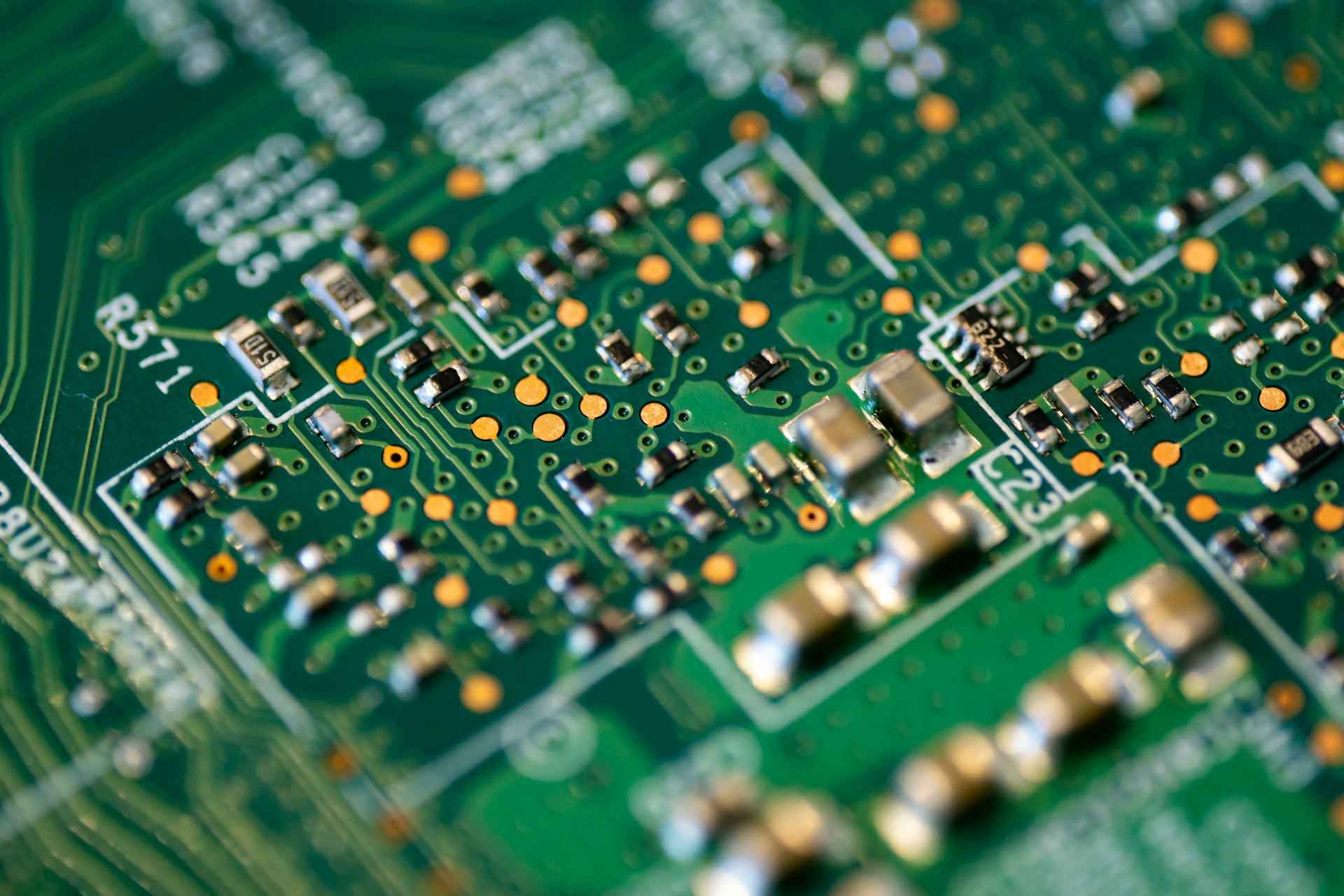
In modern manufacturing, data has become as valuable as raw materials and energy. Sensors that measure everything from temperature and vibration to energy use and humidity give companies the ability to understand and optimize their processes in entirely new ways. The result is not only higher efficiency but also more sustainable production with less waste and a smaller carbon footprint.
From Gut Feelings to Data-Driven Decisions
In the past, many production decisions were based on experience and intuition. Today, sensors deliver precise, real-time data that allow manufacturers to act quickly and accurately. A machine that starts vibrating differently than usual, for example, can signal that a component is wearing out. By responding early, companies can prevent breakdowns and avoid unnecessary energy consumption.
Sensor data can also be used to continuously adjust production. If a process consumes more energy than expected, the system can automatically optimize operations to reduce resource use. This means sustainability is no longer just about large investments—it’s also about using existing resources more intelligently.
A Complete View of the Production Chain
Sensors make it possible to track materials and products throughout the entire production process. This provides a detailed overview of where waste occurs and where improvements can be made. In the food industry, for instance, sensors can monitor temperature and humidity to ensure ingredients are stored correctly, reducing food waste. In metalworking, they can measure machining precision and minimize defective parts.
When data is collected and analyzed, companies can identify patterns that would otherwise remain hidden. This can lead to new ways of planning production that improve both quality and sustainability.
Energy Use Under the Microscope
One of the areas where sensors have the greatest impact is energy management. By measuring power consumption at the machine level, companies can see exactly where energy is used—and where it’s wasted. This makes it possible to implement targeted energy-saving measures that reduce both costs and environmental impact.
Some U.S. manufacturers are now linking sensor data with weather forecasts and electricity prices, allowing production to automatically adjust when power is cheapest and cleanest. It’s a clear example of how digitalization and sustainability can go hand in hand.
Maintenance Before Problems Arise
Sensors also play a key role in predictive maintenance. Instead of replacing parts at fixed intervals, manufacturers can use data to determine when a component actually needs service. This saves materials, labor, and downtime.
A simple example is sensors that measure motor vibrations. When the vibration pattern changes, it can indicate early wear. Acting on that information prevents breakdowns and extends the equipment’s lifespan.
Challenges and Opportunities
While sensors open up major opportunities, they also require careful implementation. Data must be handled securely, and employees need the right skills to interpret and use the information effectively. Companies must also ensure that the technology truly supports their sustainability goals—rather than just generating more data without direction.
When used strategically, however, sensors can be a key to a greener future. They enable manufacturers to produce more with less and help document environmental performance for customers, regulators, and investors.
Læs også:


The Data-Driven Factory of the Future
As sensors become cheaper and more advanced, they will find their way into nearly every part of manufacturing. The combination of sensor data, artificial intelligence, and automation will create factories that can adapt in real time—and continuously learn to become more efficient and sustainable.
For U.S. manufacturers aiming to stay competitive, the future isn’t just about producing goods. It’s about producing data—and using it wisely.
Læs også: