The Most Popular Types of Gaming Livestreams – and What Defines Them


The Most Popular Types of Gaming Livestreams – and What Defines Them
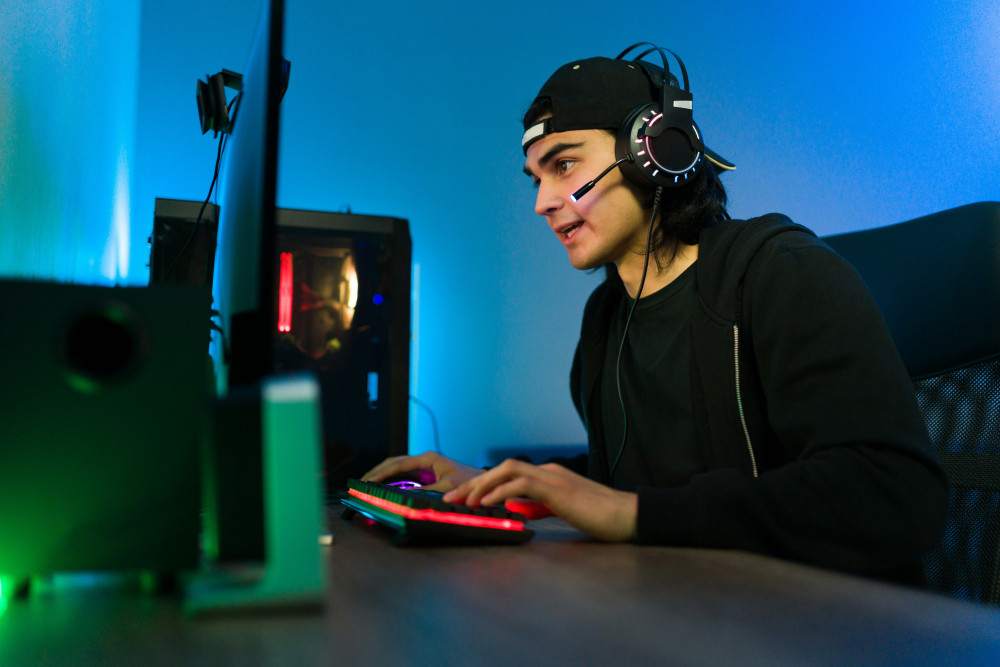
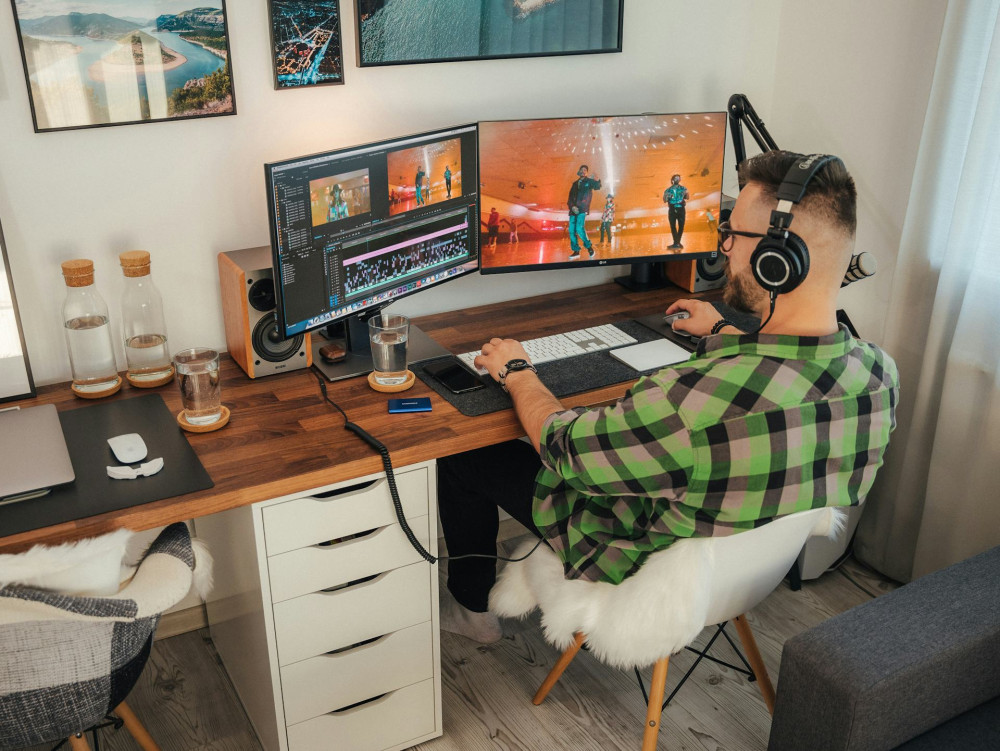
Gaming livestreams have become one of the most influential forms of digital entertainment in the United States. Millions of viewers tune in every day to watch streamers play, comment, and interact with their audiences in real time. But not all streams are the same—different types of gaming livestreams attract different kinds of viewers. Here’s an overview of the most popular types of gaming livestreams and what makes each of them unique.
1. Competitive Esports Streams
Esports has grown into a massive global industry, and livestreams of tournaments and professional matches draw huge audiences. These streams are all about precision, strategy, and teamwork—viewers watch the best players in the world compete for titles and prize money.
Esports streams are characterized by high intensity, professional commentary, and production values that rival traditional sports broadcasts. Games like League of Legends, Counter-Strike 2, and Valorant dominate the scene, and fans often follow teams and players with the same passion Americans have for football or basketball.
For many viewers, it’s not just about the game itself but also about being part of a passionate community that celebrates skill and competition.
2. Personality-Driven Entertainment Streams
Not everyone watches gaming streams to learn or follow competitive play. Many tune in simply for entertainment—and in these streams, the streamer’s personality takes center stage. The games often serve as a backdrop for conversation, humor, and spontaneous fun.
Streamers who excel in this category are natural entertainers: storytellers, comedians, and hosts who make viewers feel like they’re hanging out with a friend. Chat interaction is key, and the sense of community and connection keeps audiences coming back.
3. “Let’s Play” and Playthrough Streams
The “Let’s Play” format is a classic in gaming content. Here, the streamer plays through a game from start to finish while providing commentary along the way. It can be anything from a massive open-world adventure to a small indie title.
Viewers watch to experience the story, learn strategies, or simply enjoy the game alongside an engaging host. Many also use these streams to discover new games or to enjoy a relaxed, shared experience—almost like watching a friend play on the couch.
These streams are typically slower-paced, focusing on the game’s content and the streamer’s personal reactions and insights.
4. Educational and “How to Play” Streams
For viewers who want to improve their skills, educational streams are the go-to choice. Experienced players demonstrate techniques, strategies, and in-depth analyses to help others get better. This could mean advanced tactics in StarCraft II or character builds in Elden Ring.
These streams are often structured and instructional. The streamer explains their decisions, answers questions from chat, and breaks down complex mechanics. The audience usually consists of dedicated players who want to level up their gameplay.
5. Speedrun Streams – When Every Second Counts
Speedrunning has evolved from a niche hobby into a major streaming genre. The goal is simple but demanding: complete a game as fast as possible, often by exploiting clever tricks or glitches. It’s a mix of precision, patience, and deep game knowledge.
Speedrun streams are thrilling because they combine technical mastery with high stakes. A single mistake can ruin a record attempt, and viewers share in the tension and excitement. The speedrunning community is also known for its supportive spirit, with players sharing discoveries and cheering each other on.
6. “IRL” and Hybrid Streams – When Gaming Meets Everyday Life
A growing trend among streamers is blending gaming with other aspects of life—chatting, cooking, music, or just daily routines. These “IRL” (In Real Life) or hybrid streams push the boundaries of what a gaming stream can be.
In these streams, the game isn’t always the main focus. Instead, it becomes part of a broader story about the streamer’s life and interests. This creates a more personal and varied experience, allowing viewers to connect with the streamer as a person, not just as a gamer.
Læs også:



Community, Authenticity, and Interaction – The Keys to Success
No matter the type of gaming livestream, the most successful streamers share a few common traits: authenticity, interaction, and community. Viewers aren’t just looking for entertainment—they’re looking for connection and a sense of belonging.
It’s this blend of gameplay, personality, and shared experience that makes gaming livestreams one of the most dynamic and engaging forms of digital culture in America today.
Læs også: