Interaction and Structure: Digital Tools That Strengthen Gaming Communities

Interaction and Structure: Digital Tools That Strengthen Gaming Communities
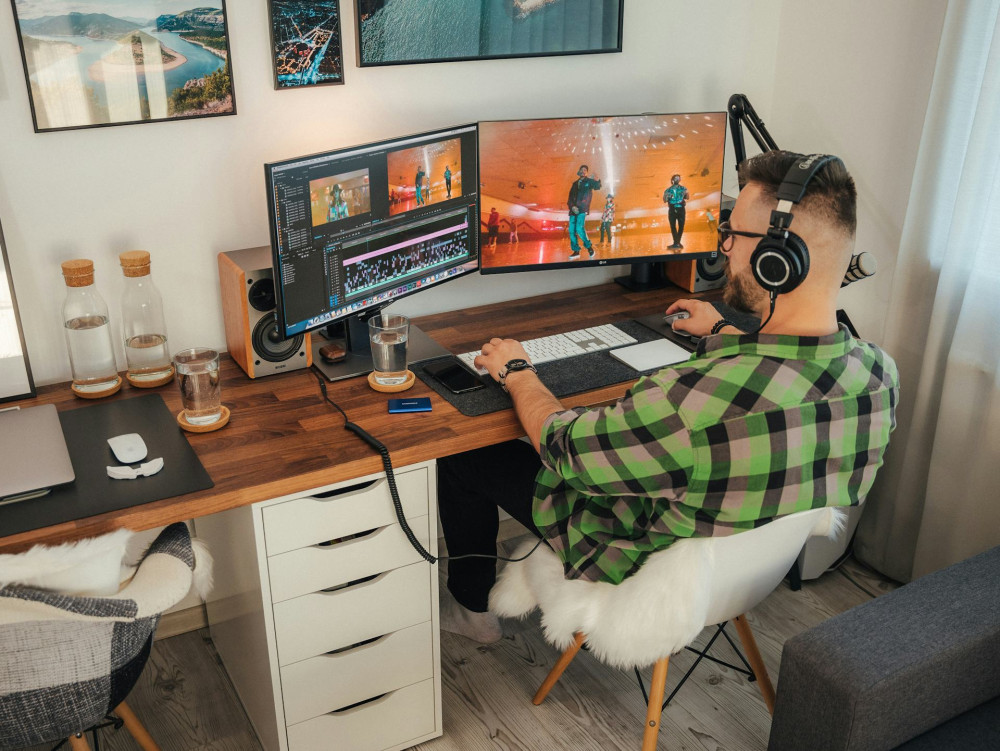
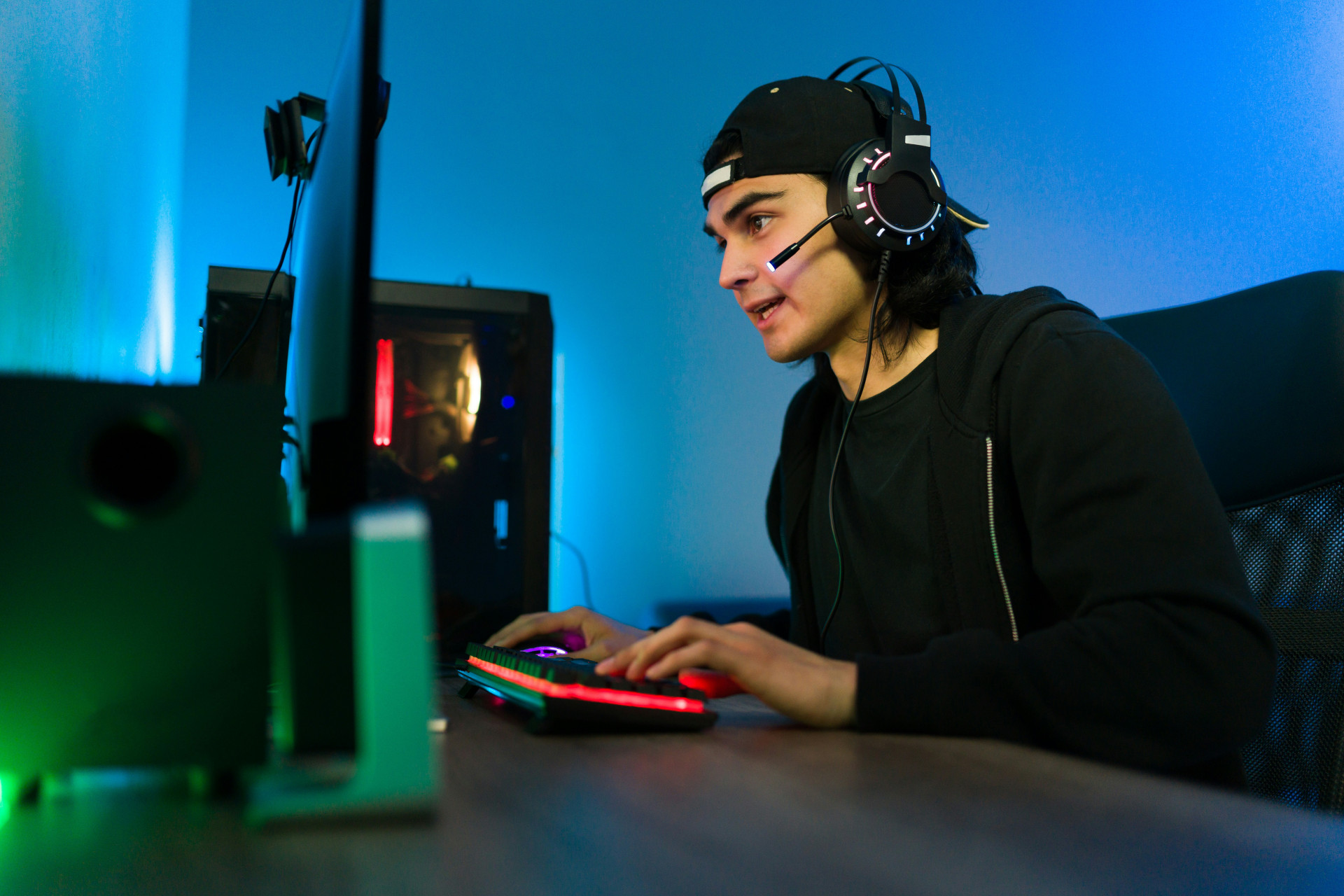
Gaming today is far more than a pastime—it’s a social ecosystem where friendships form, teamwork develops, and communities thrive across borders. Behind every thriving gaming group lies a network of digital tools that make it possible to organize, communicate, and build lasting connections. From chat platforms to tournament systems, technology has become the backbone of modern gaming culture.
From Casual Encounters to Organized Communities
In the early days of online gaming, communities were often spontaneous and loosely connected. Players met on public servers, in local LAN parties, or through in-game chat. Today, digital tools like Discord, Reddit, and Steam groups have transformed those informal gatherings into structured, sustainable communities where players can plan, share, and grow together.
A Discord server often functions as a digital clubhouse: channels for strategy discussions, memes, event planning, and voice chat during matches create both intimacy and order. This structure helps new members find their place quickly and fosters a sense of belonging that keeps people engaged.
Læs også:

Communication as the Core of Collaboration
Effective communication is essential in many genres—especially team-based games like MOBAs, shooters, and MMORPGs. Tools such as TeamSpeak, Mumble, and in-game voice chat make real-time coordination possible, but they also build camaraderie.
Many communities now use bots and automation to handle welcome messages, polls, and event scheduling. These systems free up moderators’ time and help maintain an active, inclusive environment where everyone feels heard.
Structure and Strategy in Esports and Guilds
As gaming becomes more organized—whether in esports teams, guilds, or clans—the need for structure grows. Tools like Google Workspace, Trello, and Notion are increasingly common for managing practice schedules, tracking tournaments, and sharing strategy documents.
For many teams, this structure is what separates a casual group from a professional unit. When everyone knows the schedule, their responsibilities, and how to communicate, the result is focus and cohesion—qualities that strengthen both performance and community spirit.
Community Across Platforms
Modern gaming communities rarely exist in just one place. Players connect on Twitch streams, share clips on TikTok, debate on Reddit, and coordinate on Discord. This multi-platform presence requires tools that tie everything together.
Many groups now use link hubs or social dashboards to centralize their online presence. These tools make it easier for members to stay updated and for communities to grow without losing their identity.
Safety and Well-Being in Digital Spaces
As online communities expand, so does the responsibility to create safe and welcoming environments. Moderation tools, access controls, and clear community guidelines are now standard. Platforms like Discord offer advanced safety features that filter language, block spam, and protect users from harassment.
A healthy community isn’t just about gaming—it’s about well-being. Many servers include channels for mental health discussions, school or work advice, and general life chat. This evolution shows how gaming spaces increasingly function as genuine social networks built on empathy and shared experience.
Technology as the Foundation of Connection
Digital tools alone can’t create community—the people behind them do. But the right tools provide structure, clarity, and opportunity, making it easier to nurture interaction. When used thoughtfully, technology becomes not a barrier but a bridge.
Gaming communities demonstrate how digital tools can strengthen both collaboration and connection. They remind us that technology isn’t only about efficiency—it’s about creating spaces where people meet, learn, and grow together, one match, one conversation, and one victory at a time.
Læs også: