Gaming as a Social Experience: How Platforms Bring Players Together

Gaming as a Social Experience: How Platforms Bring Players Together
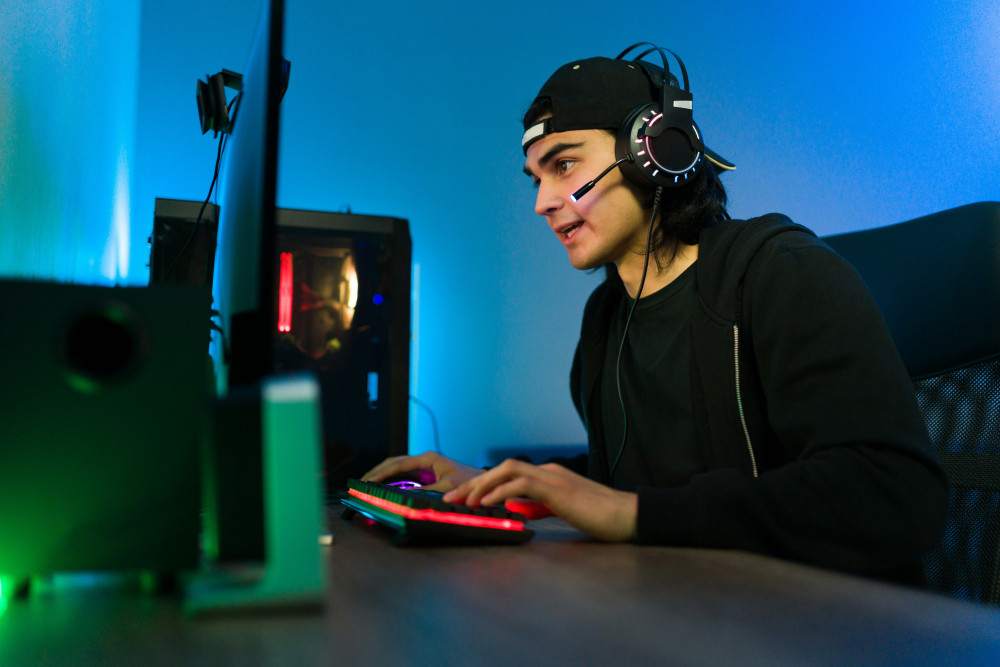
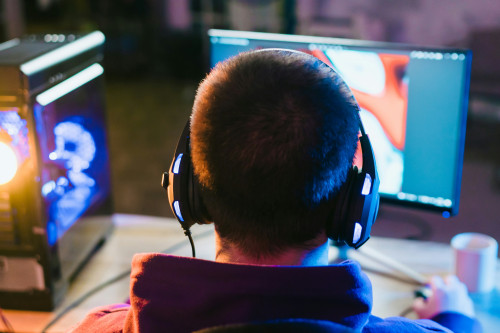
Gaming is no longer a solitary pastime spent in front of a screen. Today, it’s a social experience that connects millions of people across states, countries, and cultures. Online platforms and digital communities have turned gaming into a shared activity where players meet, collaborate, and compete—whether for fun or at a professional level. But how did gaming become so social, and what does that mean for the way we play and interact?
From Single-Player to Shared Worlds
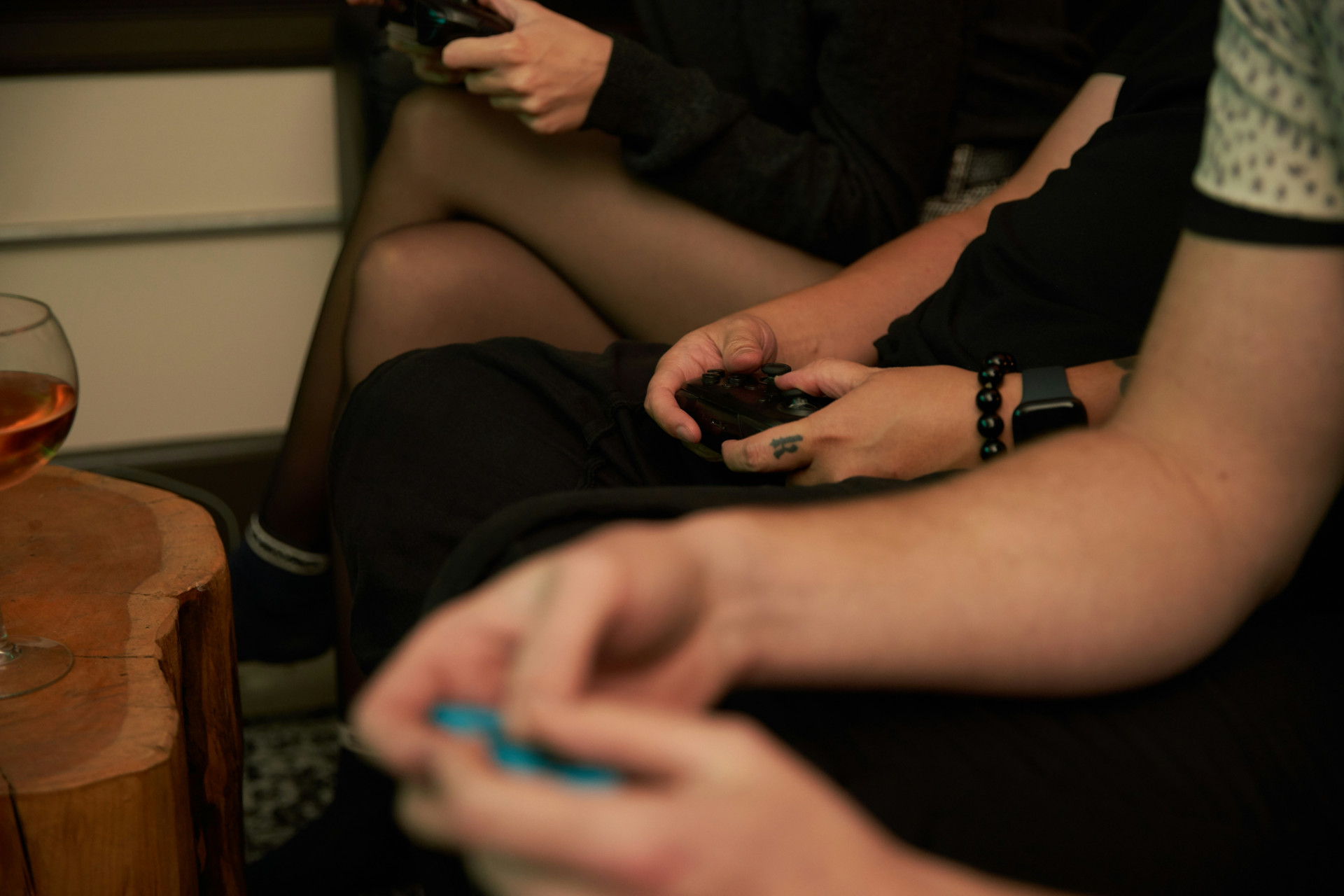
In the early days of gaming, most titles were designed for one player. You followed a storyline, beat levels, and chased high scores on your own. Now, the social element has become central to the experience. Online multiplayer modes, voice chat, and cooperative missions have made gaming as much about connection as competition.
Games like Fortnite, Minecraft, and Among Us show how community and creativity have become just as important as gameplay itself. Players build, communicate, and share experiences that extend far beyond the screen.
Platforms as Social Spaces
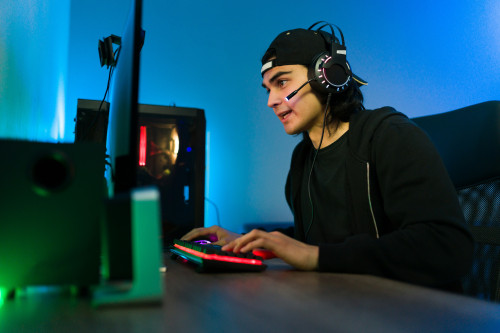
Major gaming platforms—such as Steam, PlayStation Network, Xbox Live, and Discord—now function as social networks in their own right. They allow players to create friend lists, join groups, chat, and share content. Many gamers spend as much time talking with friends, planning sessions, or watching streams as they do actually playing.
Discord, in particular, has evolved into a digital gathering place where communities form around everything from esports and tabletop games to art projects and study groups. It shows how gaming platforms have become social infrastructures—spaces for connection, not just tools for play.
Collaboration and Competition as Social Drivers
The social side of gaming thrives on both teamwork and rivalry. In team-based games like League of Legends or Valorant, communication and coordination are key to success. At the same time, competition creates shared goals that strengthen bonds among players.
Esports has amplified this dynamic even further. Professional tournaments attract millions of viewers, and fans follow their favorite teams with the same passion seen in traditional sports. Gaming has become a global culture where identity, community, and entertainment intersect.
New Ways to Stay Connected
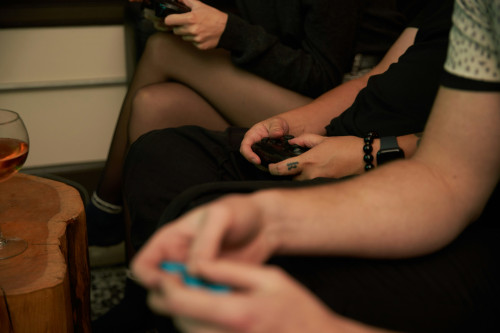
Gaming has also changed how people maintain relationships. For many Americans—teens and adults alike—it’s a natural way to stay in touch. Friends meet online after school or work, play a few rounds, and chat about life. It’s a form of digital togetherness that can feel just as real as meeting in person.
During the COVID-19 pandemic, this became even more apparent. Games provided a way to stay socially connected when physical gatherings weren’t possible. They became spaces for friendship, support, and even emotional well-being.
Læs også:

The Challenges of Online Communities
While gaming communities can be inclusive and supportive, they also face challenges. Toxic behavior, harassment, and exclusion can affect the experience. Platforms are working to improve moderation tools and ensure that players feel safe and respected.
At the same time, there’s growing awareness among players themselves about fostering positive environments. Many communities emphasize respect, teamwork, and inclusion—helping to shape a healthier gaming culture.
The Social Future of Gaming
The social dimension of gaming will only continue to grow. With technologies like virtual reality and metaverse-style platforms, the boundaries between games, social media, and digital meeting spaces are becoming increasingly blurred. Players can not only game together but also attend concerts, meetings, and cultural events in virtual worlds.
Gaming has become a cornerstone of modern social life—a place where people connect, express themselves, and build communities in new ways. It’s no longer just a hobby; it’s a shared experience that brings the world together, one player at a time.
Læs også: