Digital Payments as the Key to a More Manageable and Efficient Personal Finances

Digital Payments as the Key to a More Manageable and Efficient Personal Finances
In recent years, digital payments have transformed the way Americans handle their personal finances. From mobile wallets and contactless cards to budgeting apps and digital receipts, technology has made it easier than ever to stay on top of your money. But how exactly can digital payments help you create a more organized and efficient financial life?
From Cash to Clicks – A New Financial Reality
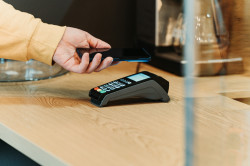
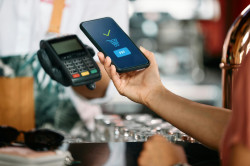
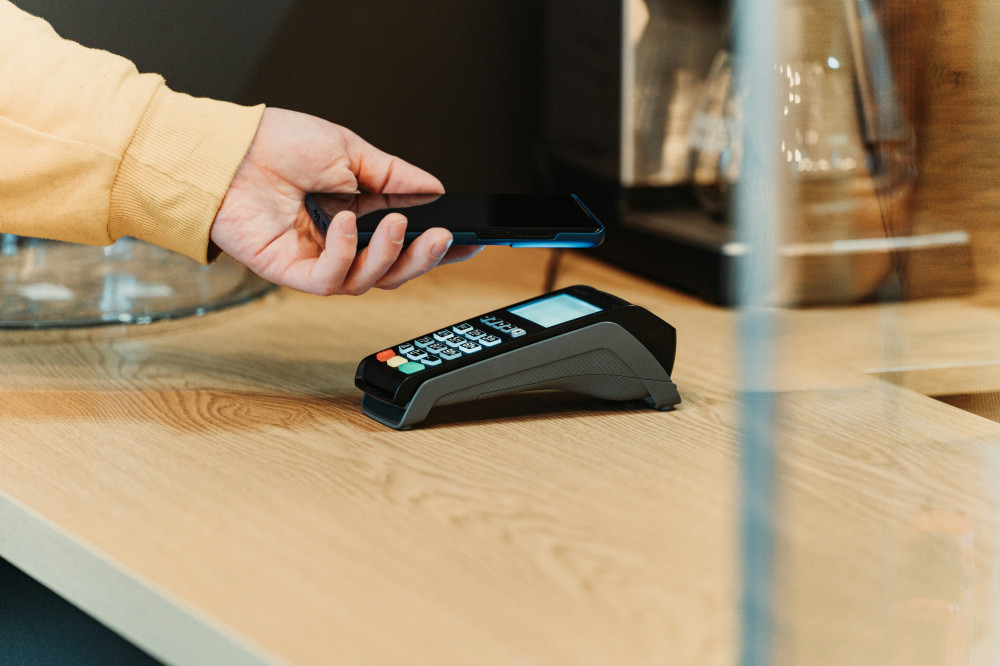
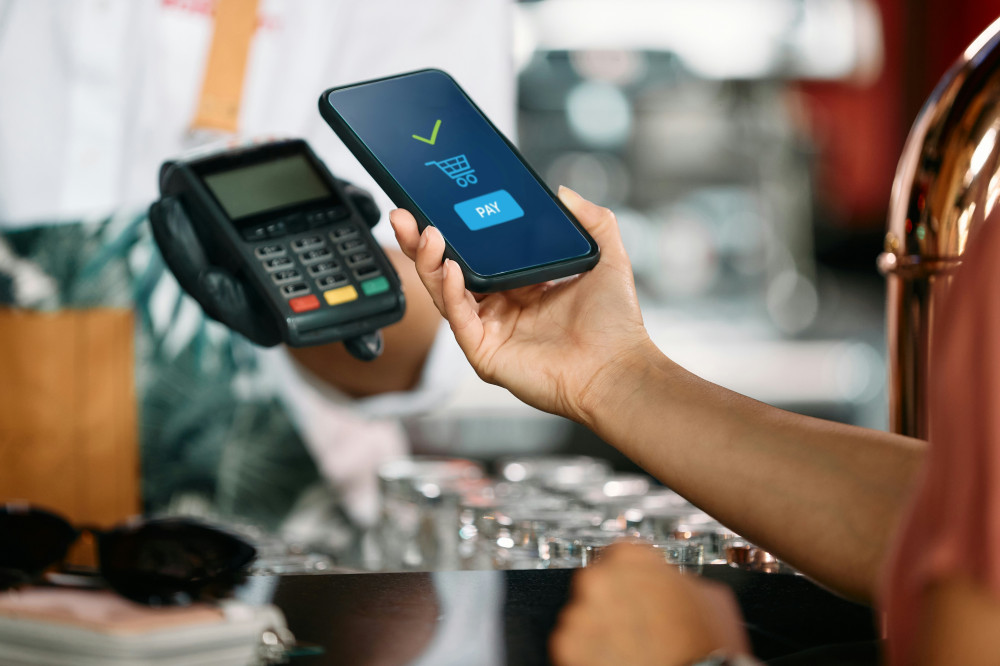
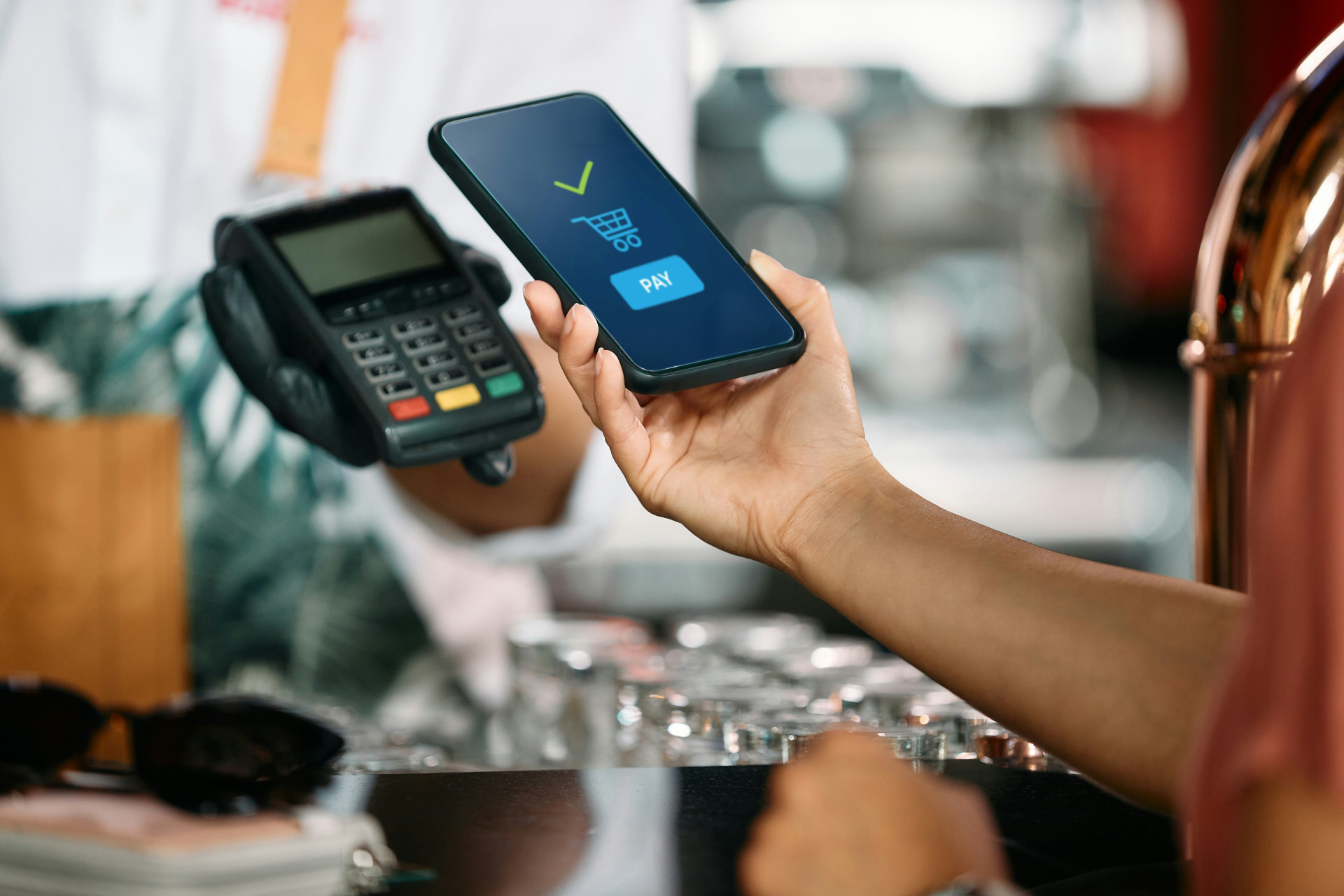
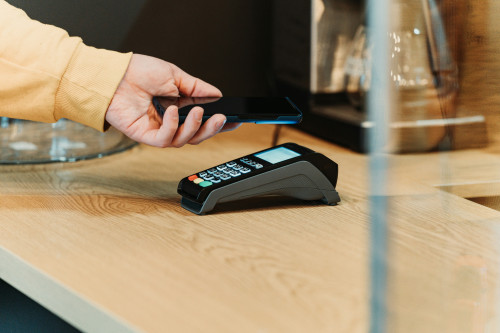
A decade ago, cash was still a common part of everyday transactions. Today, many people rarely carry bills or coins. Services like Apple Pay, Google Pay, PayPal, and Venmo have made it possible to pay with a single tap—fast, secure, and convenient.
This shift isn’t just about convenience. When payments become digital, they’re automatically recorded. That means you gain a clearer picture of where your money goes and how your spending habits look. It’s a crucial step toward more mindful and effective money management.
Real-Time Financial Insights
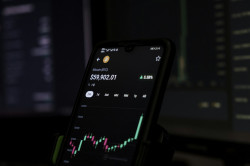
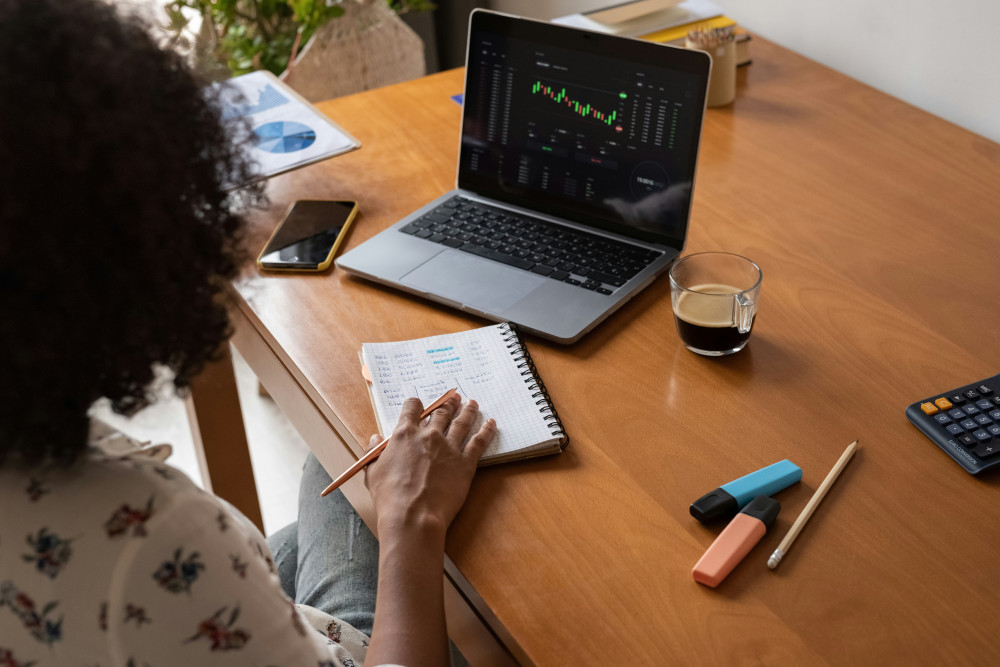
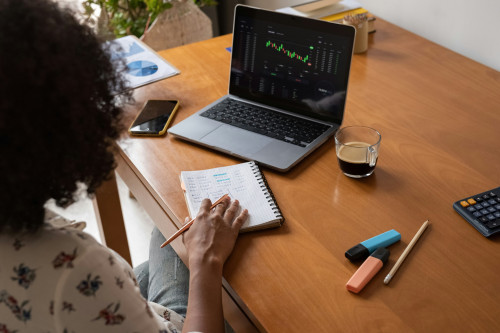
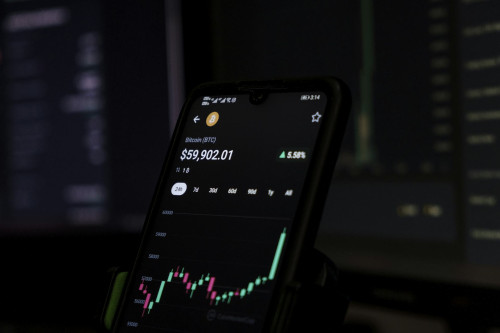
One of the biggest advantages of digital payments is real-time visibility. Most banks and payment apps show your transactions instantly, and many include charts and spending categories.
This makes it easy to see how much you’re spending on groceries, transportation, or entertainment—and where you might be able to cut back. Instead of waiting for a monthly statement, you can adjust your spending as you go. That sense of control can help you stay on track with your financial goals.
Automation and Smarter Budgeting
Digital payments also open the door to automation. Many apps can automatically transfer money to savings when you get paid or round up your purchases and save the spare change. Others send alerts when you’re close to exceeding your budget in a certain category.
By letting technology handle routine tasks, you free up time and mental energy for bigger financial decisions. You also reduce the risk of missing a bill or losing track of recurring expenses.
Læs også:
Security and Peace of Mind
While some people still associate digital payments with risk, security has never been stronger. Two-factor authentication, biometric logins, and advanced encryption protect your information, and most banks offer fraud protection if you act responsibly.
Digital receipts and transaction histories also make it easy to document your purchases—helpful if you need to return an item or keep records for tax purposes.
Sustainability and Simplicity
Digital payments have practical and environmental benefits too. Fewer paper receipts, less cash handling, and fewer physical bills mean less waste and clutter. Many people find that a digital approach to money encourages a more minimalist mindset—you can see more clearly what you spend and why.
Getting Started
If you want to take full advantage of digital payments, start with a few simple steps:
- Use a single payment app to keep all your transactions in one place.
- Activate budgeting and analytics tools in your banking app.
- Set up automatic transfers to savings or investment accounts.
- Store receipts digitally—many apps can do this automatically.
- Review your subscriptions—digital payments make it easy to see what you’re paying for regularly.
Small changes can quickly lead to big improvements in clarity and efficiency.
The Future of Personal Finance Is Digital
The evolution of digital payments is far from over. Artificial intelligence, open banking, and new fintech innovations will make it even easier to personalize your finances. Imagine an app that automatically adjusts your budget when prices rise or suggests cheaper alternatives for your recurring expenses.
Digital payments aren’t just a convenient tool—they’re the foundation of a new way to think about personal finance. A way where technology and awareness work together to create more clarity, security, and freedom in everyday life.
Læs også: